OrganTree
PREMIER SOUND FACTORY
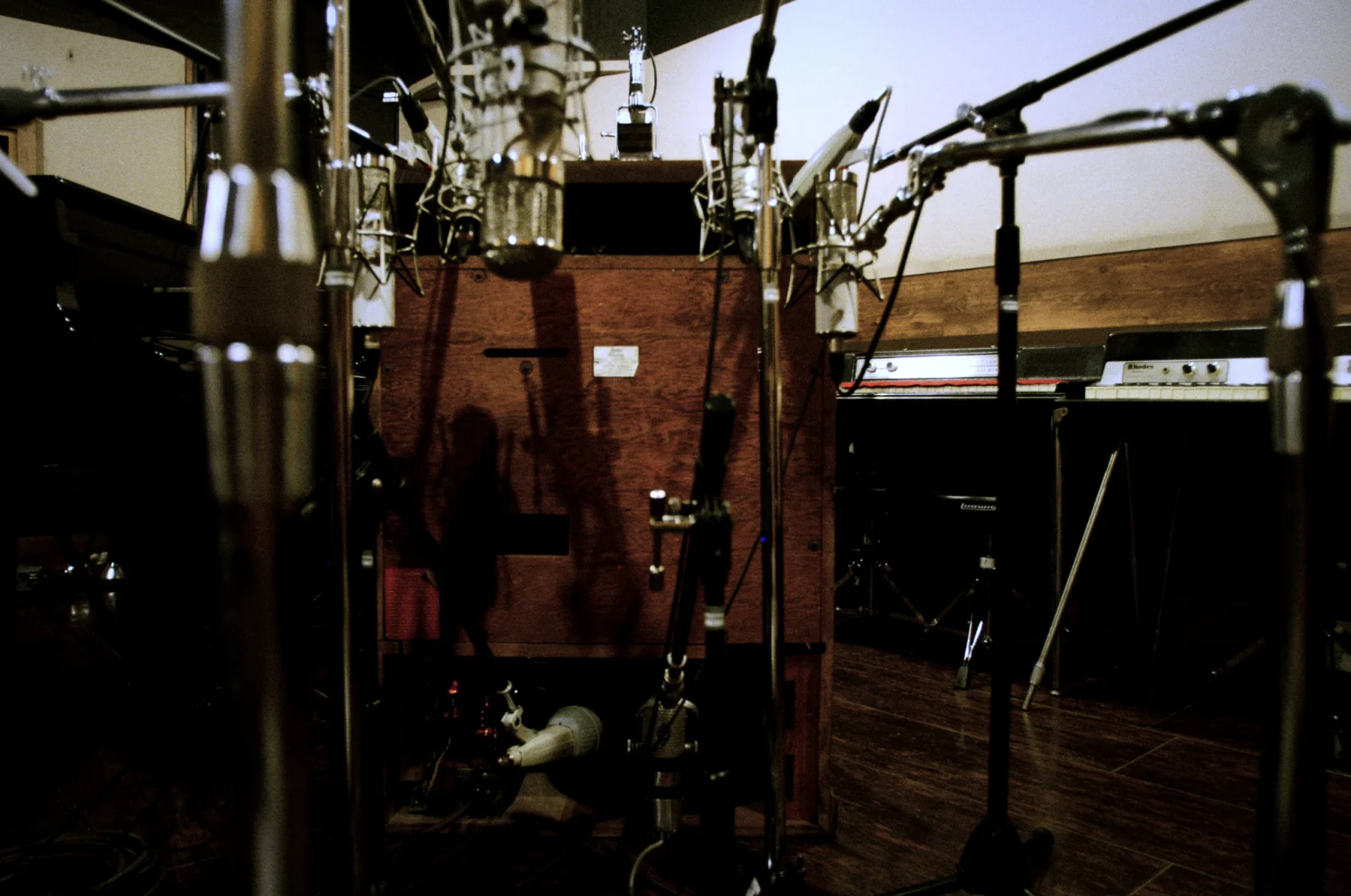
The Leslie, recorded with the air around it.
OrganTree is a Kontakt instrument built from microphone recordings of an early-1960s HAMMOND B-3 and its Leslie 147 speaker, captured together at 96 kHz / 24 bit. The Leslie rotation is not an effect. Every key was recorded with the speaker really turning, at SLOW and at FAST.
Mechanical clatter, noise and distortion everywhere. Every bit of it is part of that irresistible B-3 organ character.
Price: USD 72 (plus applicable tax)
Requires the full version of Kontakt 7.10.9 or later.
Not compatible with the free Kontakt Player.
Audio Demo
LIVE ROTARY
A real Leslie under your fingers.
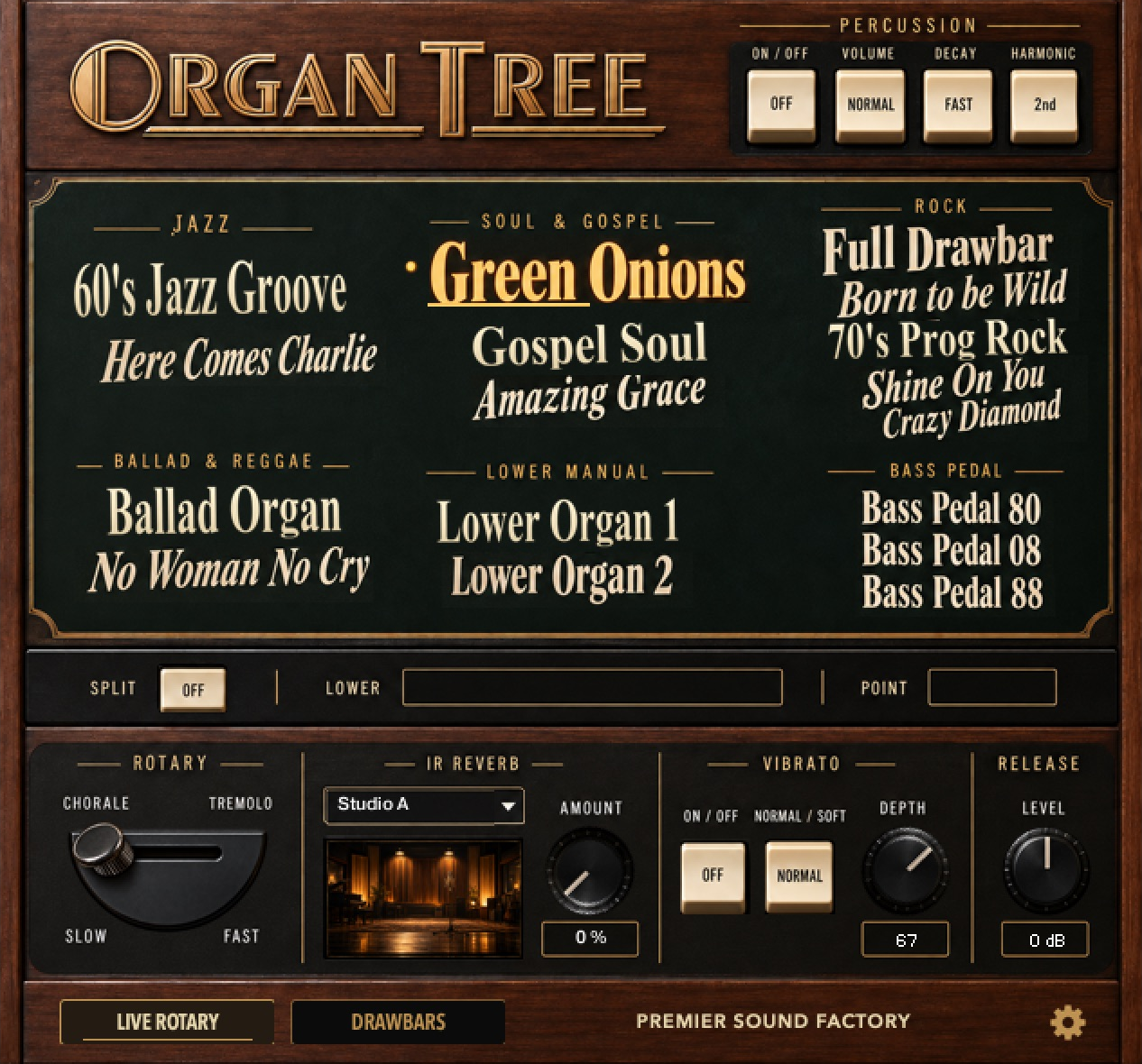
Click any of the 16 sound names in the center to select it, then flip the half-moon switch at the lower left to take the Leslie between SLOW and FAST (the mod wheel works too). Percussion, vibrato, release noise and IR reverb are all on board.
How Leslie switching works
On a real Leslie, the upper horn takes about one second to speed up or slow down, while the lower bass rotor takes about five. SLOW (Chorale) turns at roughly 40–50 rpm, FAST (Tremolo) at roughly 340–400 rpm.
Because OrganTree’s samples capture the horn and rotor together, their separate ramp-up and ramp-down can’t be reproduced. Instead, OrganTree crossfades between the SLOW and FAST recordings over about three seconds along a logarithmic curve—a time that falls between the horn’s and the rotor’s. Since it’s the recordings themselves being crossfaded, the swirl and the rush of moving air stay exactly as the real instrument produced them.
In a mix you’ll rarely notice it, but when a seamless ramp between SLOW and FAST matters most, switch to DRAWBARS mode, which uses a rotary effect. We still made the preset crossfade the heart of OrganTree for one reason: a real Leslie roars with a raw, untamed power that no rotary-effect plugin can come close to.
Meet the 16 sounds
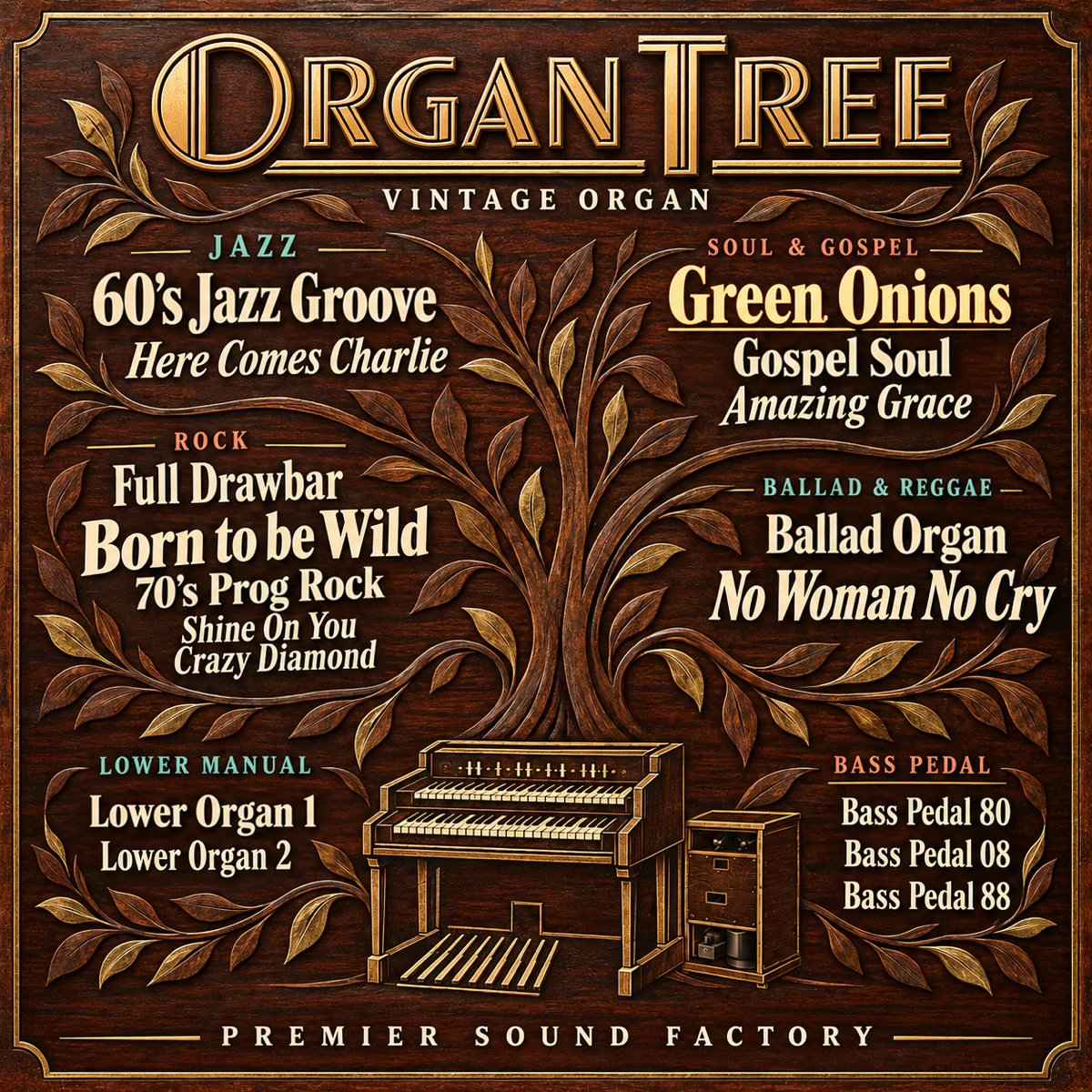
On screen, the sounds are organized into six categories: JAZZ / SOUL & GOSPEL / ROCK / BALLAD & REGGAE / LOWER MANUAL / BASS PEDAL. The numbers show how far each of the nine drawbars (16′ 5⅓′ 8′ | 4′ 2⅔′ 2′ | 1⅗′ 1⅓′ 1′) is pulled out, from 0 to 8, left to right. “Chorus C3” marks the sounds recorded with the organ’s own chorus set to C3.
JAZZ
60’s Jazz Groove 800 008 888
16′ and the four rightmost drawbars (2′, 1⅗′, 1⅓′ and 1′) pulled all the way out, with the middle harmonics pushed in. The high harmonics ride directly on the sub-octave, giving a sharp, bright voice built for soloing. Add 3rd percussion and the attack bites even harder.
Here Comes Charlie 888 800 008
Gospel Soul’s four full drawbars, plus 1′. The top harmonic adds a fine, glinting edge that keeps every note distinct, even in fast runs. Named after a Charles Earland tune, it covers everything from soul jazz to gospel.
SOUL & GOSPEL
Green Onions 888 000 000
The first three drawbars—16′, 5⅓′ and 8′—fully out: the cornerstone of jazz organ. Known as the “golden registration,” it has been the starting point for Jimmy Smith and many other players. With the sub-octave and fifth stacked together, even single notes sound fat, and chords voiced low make the bottom end roll and growl.
Gospel Soul 888 800 000
The first three plus 4′, all fully out. The harmonic an octave up sharpens the outline, so it cuts through a band instead of getting buried. A gospel staple, it’s also the foundation of rock organ driven into amp distortion, Jon Lord-style.
Amazing Grace 468 642 468
All nine drawbars in play, each harmonic set to 2, 4, 6 or 8. Unlike the full-out registrations, the harmonics blend in gradually, so it sounds big without turning harsh. Hold a long chord and you can hear the harmonics slowly trade places as the Leslie turns at SLOW.
ROCK
Full Drawbar 888 888 888
All nine drawbars fully out. Recorded at the B-3’s maximum output, complete with the saturation and noise of the Leslie 147’s tube amp. Hit a chord and everything from lows to highs lunges forward at once—the most ferocious sound in OrganTree.
Born to be Wild Chorus C3 888 643 200
Recorded with the organ’s own Chorus C3 engaged, so it shimmers and spreads even at SLOW. This is the texture of late-1960s rock organ, epitomized by the Steppenwolf song of the same name.
70’s Prog Rock 888 800 840
The first four drawbars fully out, plus 1⅗′ (the fifth harmonic) fully out and 1⅓′ at half. That major-third harmonic lends a slightly metallic, hard-edged ring. Our session notes flagged it as “made for 3rd percussion”: set PERCUSSION to 3rd, play staccato, and you’re closing in on the feel of ELP’s organ.
Shine On You Crazy Diamond 468 844 054
No 16′ here: 8′ and 4′ form the core, with upper harmonics scattered above. Free of low-end weight, it sustains with a glassy, transparent tone. It truly comes alive when you hold chords and let them swirl, like the long intro of the Pink Floyd epic it’s named after.
BALLAD & REGGAE
Ballad Organ 800 000 008Chorus C3
Just 16′ and 1′, both fully out. With only two drawbars sounding, four octaves apart, the middle falls away, leaving a hollow, airy tone that blooms outward. Recorded with the organ’s Chorus C3, it’s ideal for sustained ballad chords or a soft pad behind a vocal.
No Woman No Cry 400 000 003Chorus C3
A sparse registration—16′ at half and just a touch of 1′—recorded with the organ’s chorus on. Soft and open, with plenty of space in the tone, it’s a natural for offbeat chords in reggae and soul.
LOWER MANUAL
Lower Organ 1 838 000 000
Made for the lower manual: 16′ and 8′ fully out, with 5⅓′ held back. Taming the fifth keeps chords from getting muddy, so it sits neatly in left-hand accompaniment and bass lines. A go-to choice for the Lower side of SPLIT.
Lower Organ 2 008 880 000
Just three drawbars: 8′, 4′ and 2⅔′. With no sub-octave, the low end stays light—perfect for comping chords in the midrange—and it never gets in the way of the bass.
BASS PEDAL
Bass Pedal 80 / 08 / 88 80 08 88
All 25 pedals (C1–C3) were recorded three ways: 16′ only, 8′ only, and both together. 80 is the deep, heavy pedal bass of the original instrument; 08 sits an octave higher with a sharper outline; 88 stacks the two for the thickest setting of all. Put one on the Lower side of SPLIT and play pedal bass with your left hand. As on the real organ, percussion doesn’t apply to the pedal sounds.
Every sound switches between SLOW and FAST.
DRAWBARS
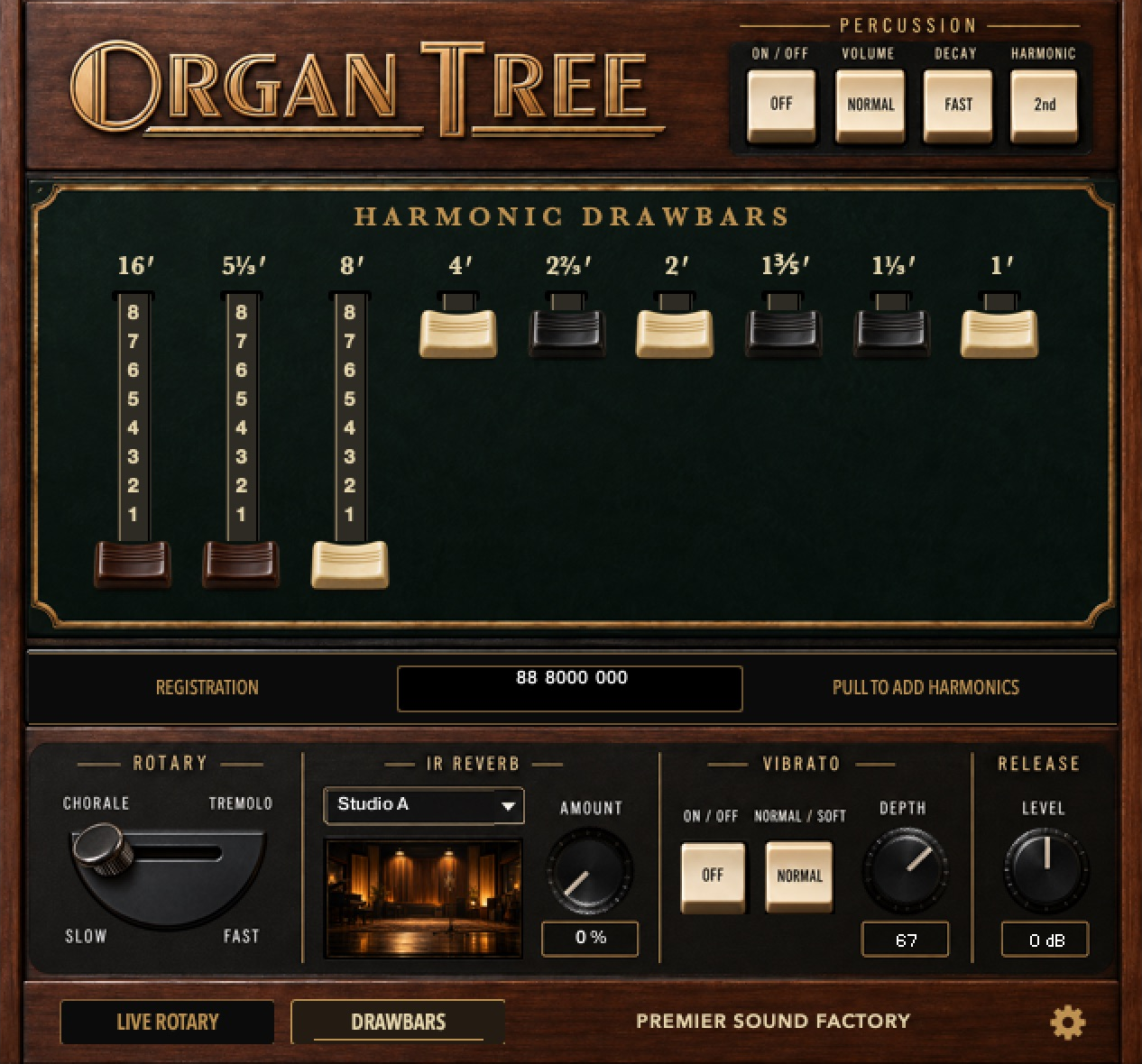
Pull your own sound from nine individually sampled drawbars.
Each of the nine drawbars was recorded on its own, across every key, with the Leslie stopped. The nine drawbars on screen blend those recordings together.
Choose a preset in LIVE ROTARY and then switch, and the Drawbars mode opens close to that preset. From there, pull it toward your own sound.
- Each drawbar has nine positions (0–8), about 3 dB per step, and responds even while you’re holding notes.
- Just like the original, turning PERCUSSION on cancels the 1′ drawbar.
- The rotary sound here comes from Kontakt’s built-in Rotator effect—a simulation with a different character from the LIVE ROTARY recordings. Reach for LIVE ROTARY when you want the sound of a real Leslie, and DRAWBARS when you want to build a registration of your own.
- By default, the drawbars respond to CC21–29. Reassign them to any CC in SETUP and play them from your own MIDI controller.
Save the sounds you build to User 1–10 with your own names, and recall them in any song. Updates won’t erase them.
USER MEMORY
Name your registrations. Keep them.
Save your DRAWBARS sounds to User 1–10, each with its own name. Every slot keeps the nine drawbars together with the percussion and vibrato settings. The memory lives in your Kontakt user folder, so every song and every instance can call up the same sounds, and updates won’t erase them. The same menu also recalls the drawbar registrations of the 13 LIVE ROTARY manual sounds.
NKS
Hands on the knobs, eyes off the screen.
OrganTree is NKS ready for KOMPLETE KONTROL and MASCHINE. The first knob, Mode, switches between LIVE ROTARY and DRAWBARS, and the knobs take you through preset selection, drawbars, percussion, vibrato and reverb. On newer NKS2 devices the knob pages change with the mode, and touching a knob shows its name and value. User memory can be recalled and saved from the knobs too.
PERCUSSION / VIBRATO
Performance controls
PERCUSSION
Single-trigger, just like the original: percussion sounds only on the first note played after all keys are released, and stays silent through legato lines. Choose the 2nd harmonic (4′ equivalent) or 3rd harmonic (2⅔′ equivalent), with long or short decay. In LIVE ROTARY, separately recorded percussion samples follow the Leslie’s roughly three-second SLOW / FAST transition. SOFT is about 6 dB quieter than NORMAL. No Woman No Cry keeps its own sound-specific base level.
VIBRATO
Pitch modulation from a triangle-wave LFO at about 7 Hz, with the depth set by NORMAL / SOFT and DEPTH (0–100). It is not a recreation of the original scanner vibrato/chorus—the three chorus sounds carry the organ’s real C3 in the recordings themselves.
RELEASE / SPLIT
Release and keyboard split
RELEASE
Trim the key-release noise from −12 to +12 dB relative to each sound’s own base level. 60’s Jazz Groove, Full Drawbar, Amazing Grace and 70’s Prog Rock get the stronger Hard noise, the other manual sounds get the lighter Soft noise, and the pedal sounds get their own dedicated pedal noise. In DRAWBARS, the release noise starts from the preset you carried over and grows or shrinks with how far the drawbars are pulled out.
SPLIT
In LIVE ROTARY, split the keyboard into Lower and Upper zones and play a different sound on each. The split point can be set anywhere from C♯1 to C5 (default: C2), and all 16 sounds are available on the Lower side too. Lower shares Upper’s rotary speed and SLOW / FAST transitions, while percussion applies to Upper only.
IR REVERB
Pick your space from 17 IRs.
Images are artistic impressions of each IR.
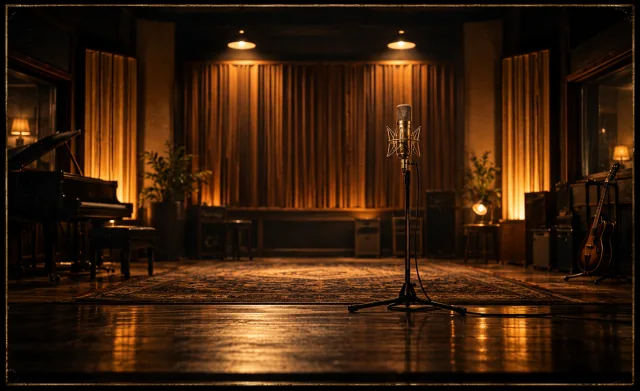
Studio A
Adds the room sound of a recording studio.
- Studio A
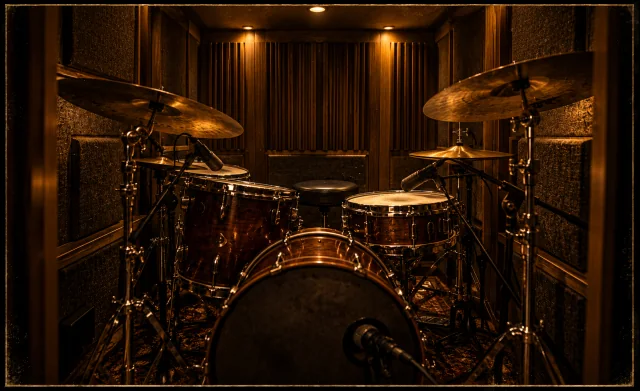
Studio B
Adds the room sound of a studio booth—tighter than Studio A.
- Studio B
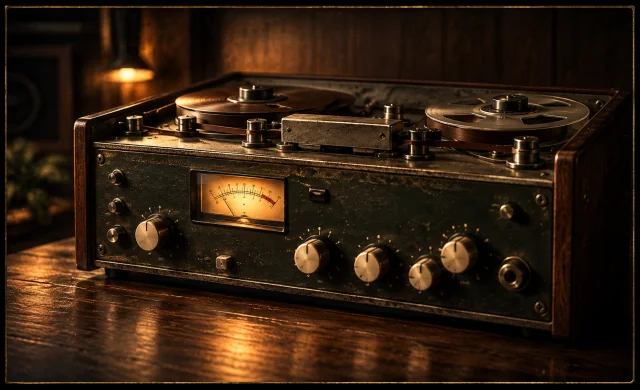
Space Echo
Five IRs inspired by Roland’s tape echo.
- Space Echo0
- Space Echo1
- Space Echo2
- Space Echo3
- Space Echo4
Lunar Kaguya
An ultra-long reverb.
- Lunar Kaguya1
- Lunar Kaguya2
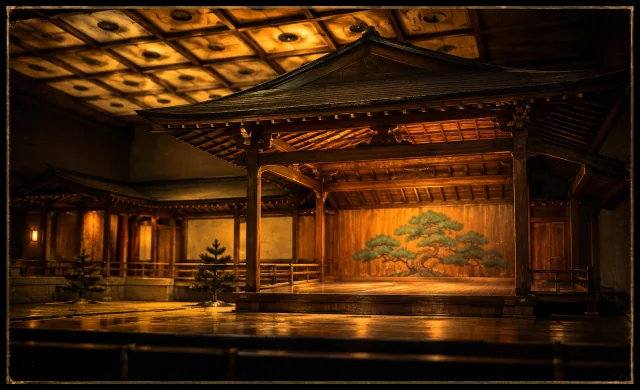
Nohgakudo
Three rare IRs captured in a traditional Japanese Noh theater.
- Nohgakudo1
- Nohgakudo2
- Nohgakudo3
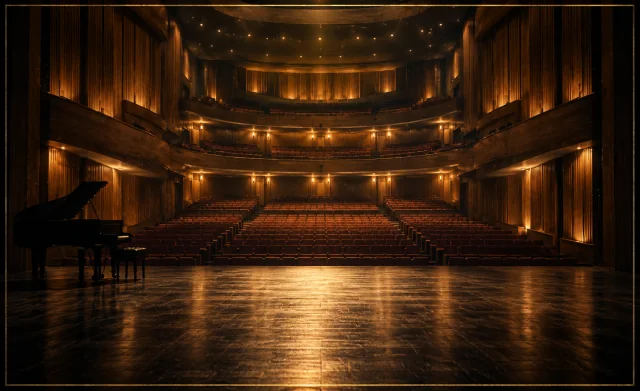
Concert Hall
The reverberation of a large concert hall.
- Concert Hall1
- Concert Hall2
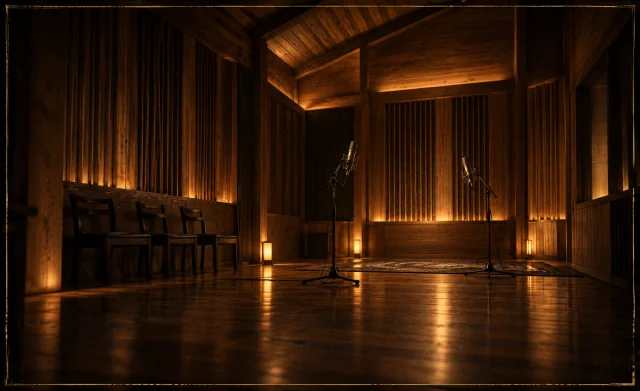
Wooden Room
Three IRs with the sound of small to mid-sized halls.
- Wooden Room1
- Wooden Room2
- Wooden Room3
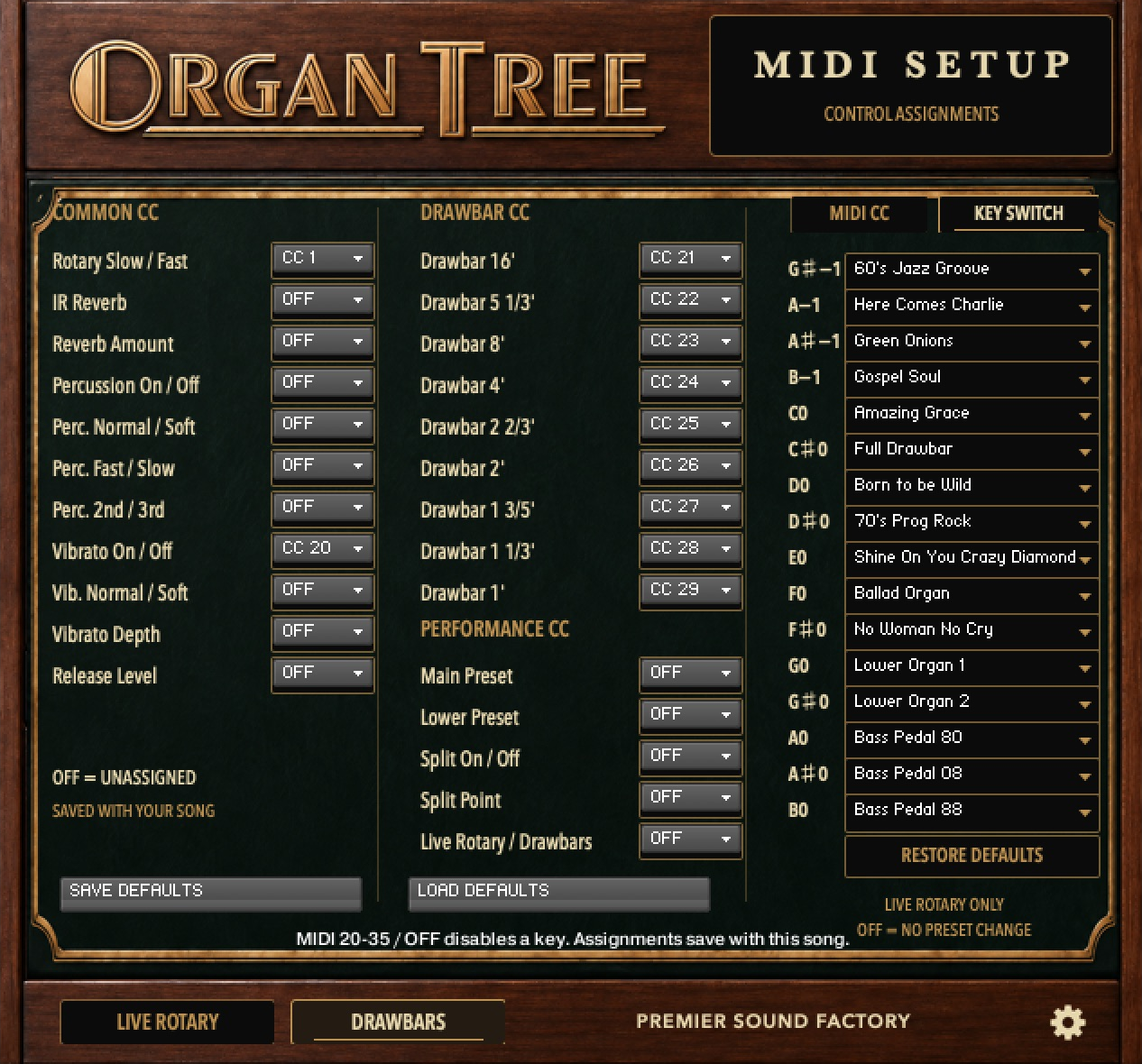
KEY SWITCH / SETUP
Sound recall and MIDI setup
KEY SWITCH
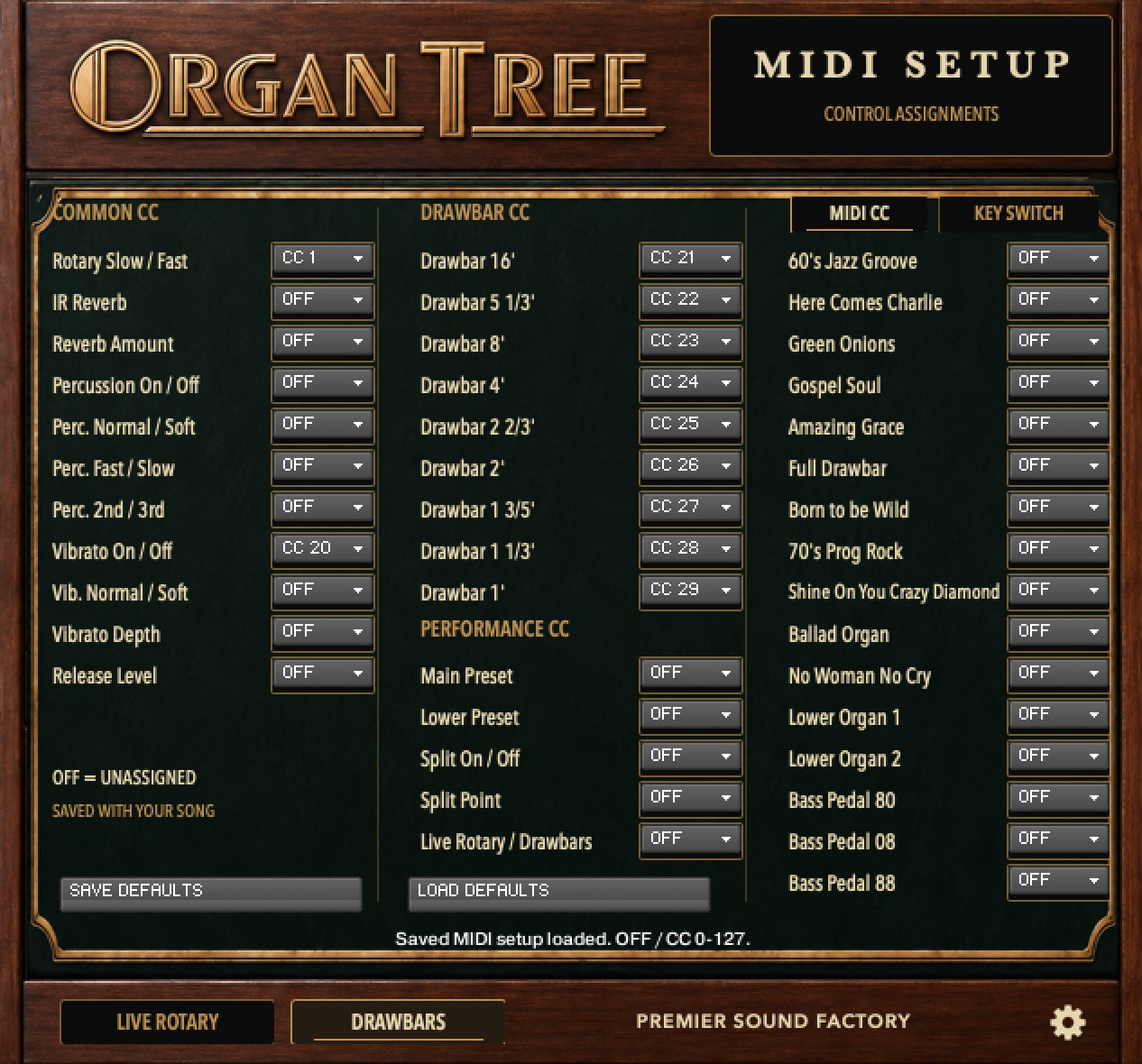
At the left end of each B-3 manual sit 12 reverse-colored preset keys. OrganTree gives you 16 such keys at MIDI notes 20–35 (G♯−1 to B0 in Kontakt notation), each assignable to any sound or to OFF. By default they follow the on-screen order of the 16 sounds, and your assignments are saved with the song and instance.
SETUP
Open it from the gear icon at the lower right. Assign MIDI CCs to 41 parameters, including rotary, percussion, vibrato, release, IR, all nine drawbars, sound selection and split. Each menu offers OFF or CC0–127, and your settings can be saved and loaded.
RECORDING
Behind the recordings
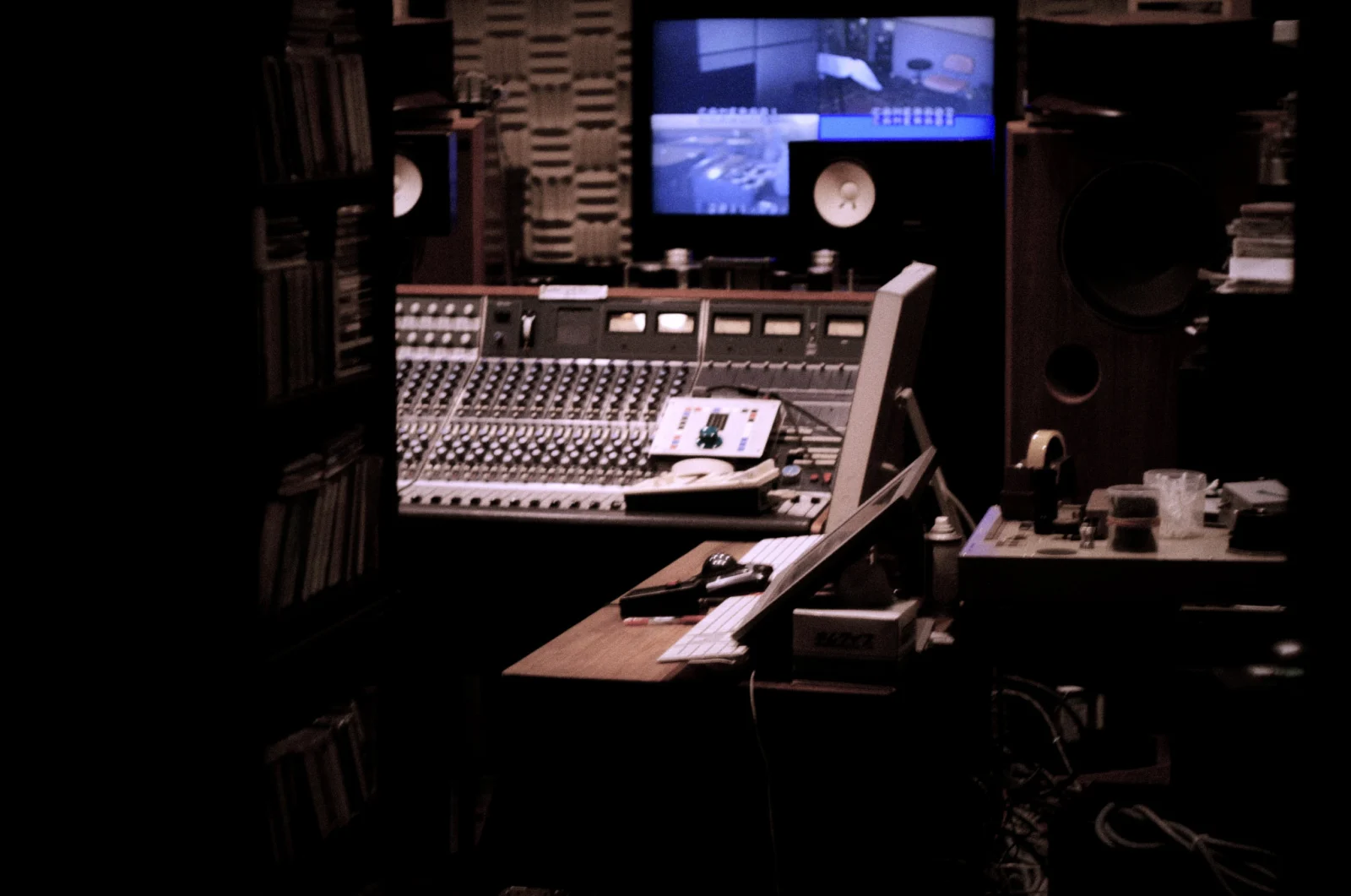
The instruments
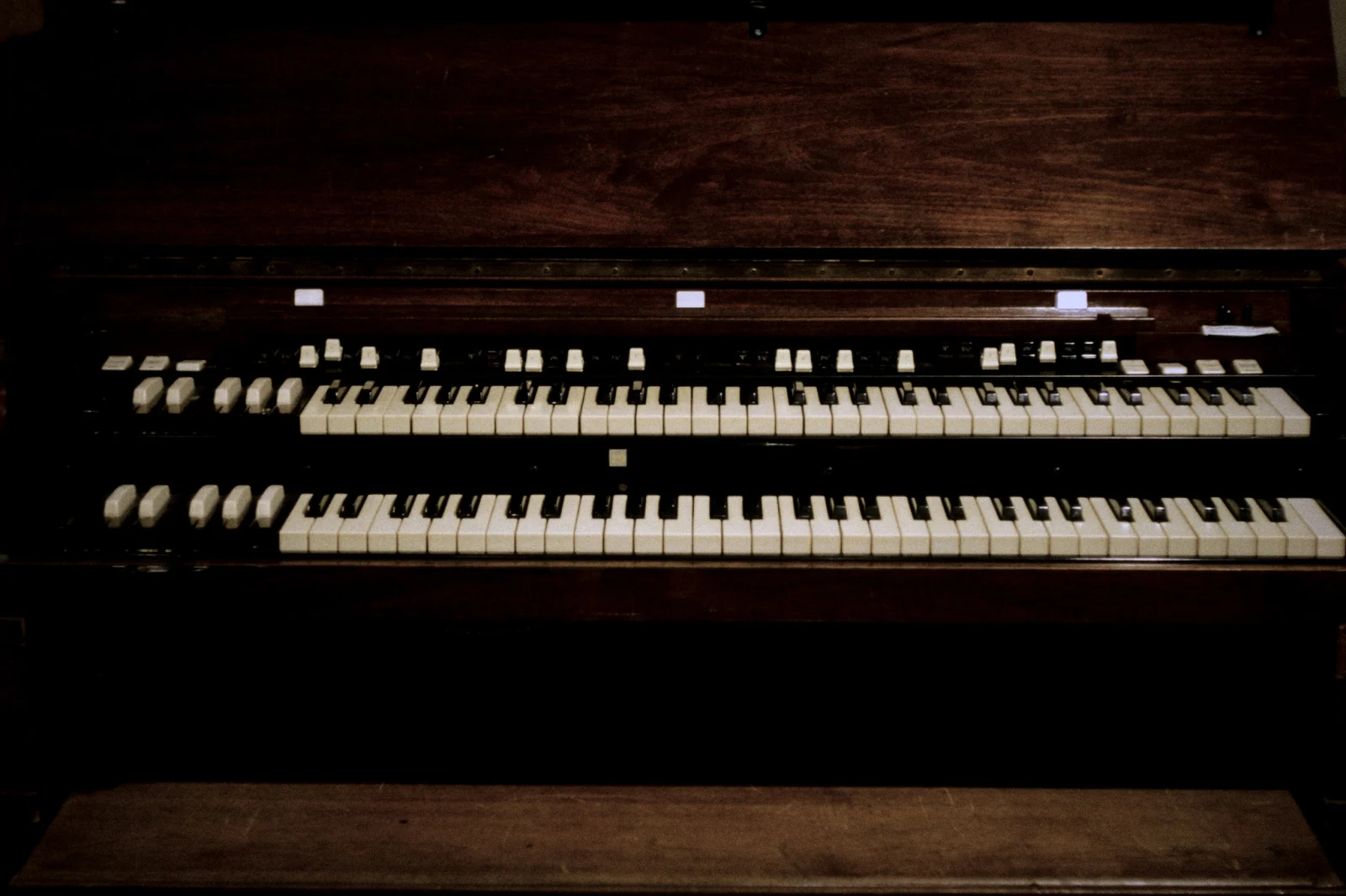
| Organ | Early-1960s HAMMOND B-3 with two 61-key manuals and a 25-note pedalboard |
|---|---|
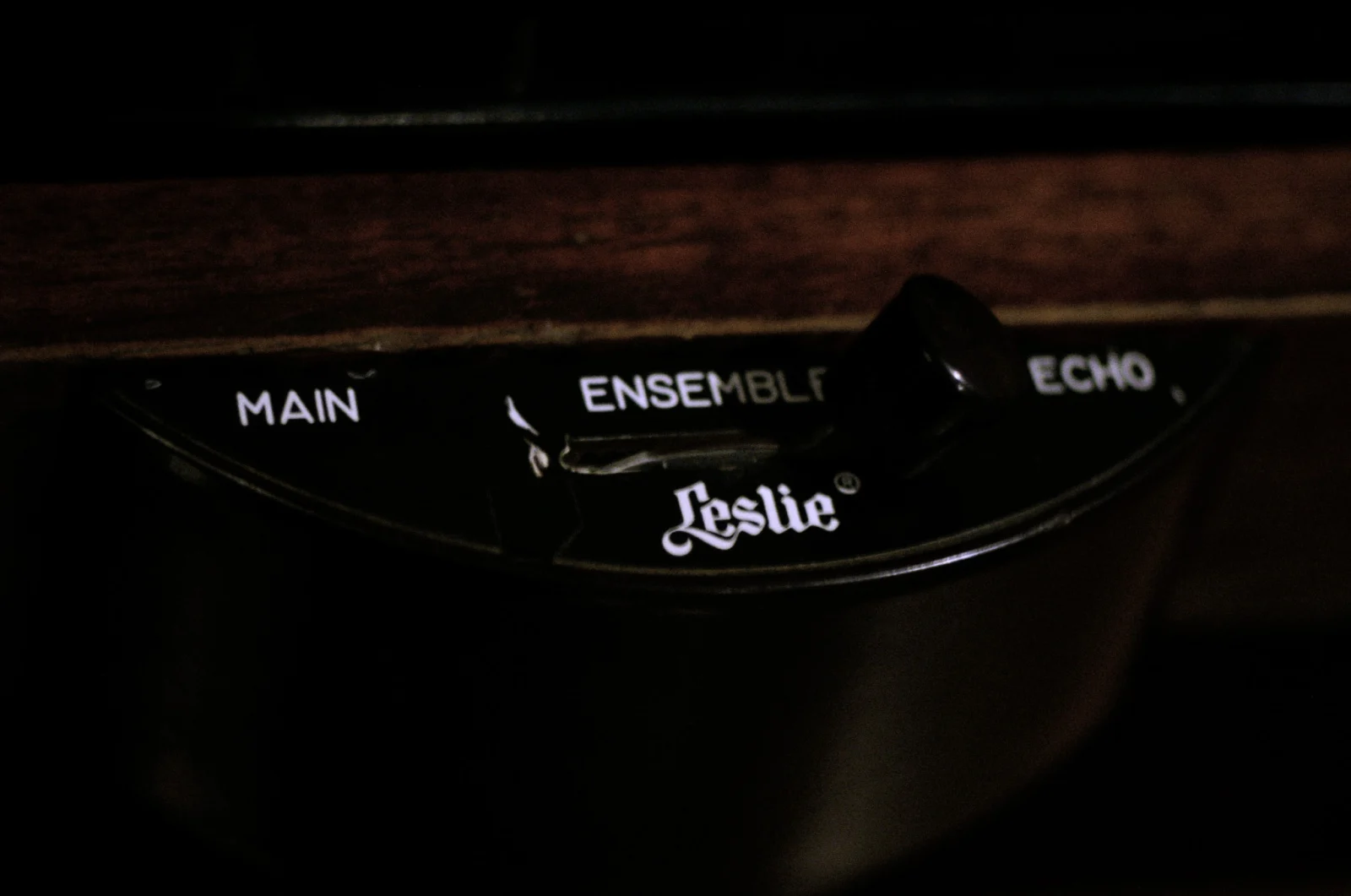
| Speaker | Leslie 147: 40 W tube amplifier, 800 Hz crossover, rotating upper horn and lower bass rotor |
| Format | 96 kHz / 24-bit / stereo (works in 48 kHz and 44.1 kHz sessions too) |
Our approach
- Every key was recorded with 13 drawbar registrations and 3 pedal registrations, each at both Leslie SLOW and FAST. There are no velocity layers, because the B-3 itself has no velocity response.
- The release noise the real organ makes when you let go of a key was recorded separately, with its strength set individually for each sound.
- Percussion (2nd and 3rd harmonic, long and short decay) was also recorded separately at Leslie SLOW and FAST, so it follows the Leslie state whichever sound you switch to.
- Key click, tube-amp noise and distortion, the whoosh of the rotors: none of it was removed. Clean those up and the core of the sound goes with them. What we bottled is the wind and growl a real Leslie throws into the room.
Specifications
| Source instrument | Early-1960s HAMMOND B-3 + Leslie 147, recorded with microphones |
|---|---|
| Samples | 2,920 (96 kHz / 24-bit / stereo), with looped sustains (the same samples as the earlier B3 Premier) |
| Key range | Manuals: C1–C6 (61 keys), every key sampled. Pedals: C1–C3 (25 notes) |
| Velocity | No velocity layers (the original instrument isn’t velocity-sensitive) |
| Sounds | 16 LIVE ROTARY sounds (13 manual + 3 pedal), all recorded at both SLOW and FAST |
| Drawbars | Nine individually recorded drawbars (Leslie stopped) + Kontakt’s built-in Rotator. 10 user memory slots |
| Percussion | 2nd / 3rd harmonic × long / short decay. Separate SLOW / FAST recordings; single trigger |
| Release noise | Three types: Hard / Soft / pedal |
| IR | 17 impulse responses |
| MIDI | 41 assignable CCs and 16 key switches. Settings saved per song/instance, plus SAVE / LOAD for shared defaults |
| NKS | Supported (KOMPLETE KONTROL / MASCHINE) |
| Download | Two ZIP files, Part 1 and Part 2 (about 6.3 GB in total). Extract both into the same folder. |
| Requirements | Full version of Kontakt 7.10.9 or later; not compatible with Kontakt Player |
| Price | USD 72 (plus applicable tax) |
Built to hit hard. We mean it.
Recorded in 2011, built for the way you play in 2026.
OrganTree
PREMIER SOUND FACTORY
Price: USD 72 (plus applicable tax)
Requires the full version of Kontakt 7.10.9 or later.
Not compatible with the free Kontakt Player.
HAMMOND, B-3 and Leslie are trademarks of their respective owners. They are used here only to describe the instrument that was recorded. PREMIER SOUND FACTORY is not affiliated with or endorsed by them.